Mushroom Farming Training in India (2026): Government, Free and Online Options Compared
Mushroom farming training in 2026: the short answer
- Government training is run by agricultural research institutes, district farm science centres and state universities: free or nominal for 1–3 day awareness sessions, ₹7,500–₹15,000 plus board for 5–9 day courses, and always in person on fixed intakes.
- Our live online course costs ₹1,499: three hours on a Sunday, button mushroom only, joinable from anywhere in India, with a digital certificate signed by Dr. Sonia Dahiya and WhatsApp support through your first batch. Next session: 29 November 2026 (Sunday).
- Our farm training at Sonipat, Haryana costs ₹2,000: two hours on a live crop, with the same certificate. Next date: 6 December 2026 (Sunday).
📋 Table of Contents
- Why Mushroom Farming Training is Essential
- Types of Mushroom Training Available
- Comparison of Top Training Options
- How to Evaluate a Trainer
- Online vs Offline Training
- Free vs Paid Training
- Training Scams to Avoid
- Our Mushroom Farming Training Program
- What You'll Learn
- How to Choose the Right Training
- FAQs
Starting a mushroom farm without proper mushroom farming training is like driving without lessons — you might move forward, but crashes are inevitable. I've seen farmers lose their entire first crop (worth ₹20,000–₹50,000) because they skipped training and relied on YouTube videos alone. Mushroom growing is a skill of small details — a two-degree temperature error, a missed sterilisation step, spawn that was a week too old — and details are exactly what a video cannot teach you to feel.
This page is your decision guide for mushroom training in India. It does not teach you how to grow (that is our how to start mushroom farming guide) and it does not crunch the economics (see mushroom farming cost and profit). Its single job is to help you choose the right course — government versus private, online versus offline, certificate versus practical — so the money and days you invest in learning actually translate into a working farm.
By the end you will know the full landscape of options, the exact questions to ask before paying any trainer, and the red flags that separate a genuine teacher from someone selling a recorded video and disappearing. Choosing training well is the highest-leverage decision you will make before your first crop, so it is worth getting right.
1. Why Mushroom Farming Training is Essential
Want to learn this properly? Dr. Sonia Dahiya runs a live online mushroom farming course for ₹1,499 — next session 29 November 2026 (Sunday), joinable from anywhere in India.
Mushroom farming looks simple on the surface, but it requires precise control of temperature, humidity, sterility, and timing. Here's what goes wrong without training:
- 30–50% crop loss from contamination (green mold, Trichoderma) due to improper sterilization
- Wrong substrate recipe — slight errors in composting ruin the entire batch
- Temperature mistakes — 2–3°C deviation can prevent fruiting completely
- Over-watering — ruins substrate structure and invites disease
- Poor spawn quality — not knowing how to identify old/contaminated spawn
A ₹1,499–₹2,000 mushroom training course can save you ₹50,000+ in avoidable mistakes. It's the highest-ROI investment you'll make in your mushroom farming journey.
2. Types of Mushroom Farming Training Available in India
A. Government Training Programs (Free or Low-Cost)
- ICAR-Directorate of Mushroom Research (DMR), Solan — The national authority, and the deepest mushroom training in India. Note that it is not free: its published calendar lists ₹7,500 for the five-day farmers’ course and ₹15,000 for the nine-day entrepreneurs’ course, both excluding board and lodging.
- Krishi Vigyan Kendras (KVKs) — Free or nominal district-level awareness sessions, usually 1–3 days. Intakes are irregular and mostly announced locally.
- State Agricultural Universities — Certificate/diploma courses in mushroom cultivation.
- State Horticulture Departments — Subsidized training in several states including Haryana, HP, and Uttarakhand.
Going the government route? Our full guide to government mushroom farming training covers what each body actually charges, how to find the next intake, and which option fits your situation.
B. Private Mushroom Training (Practical & Business-Focused)
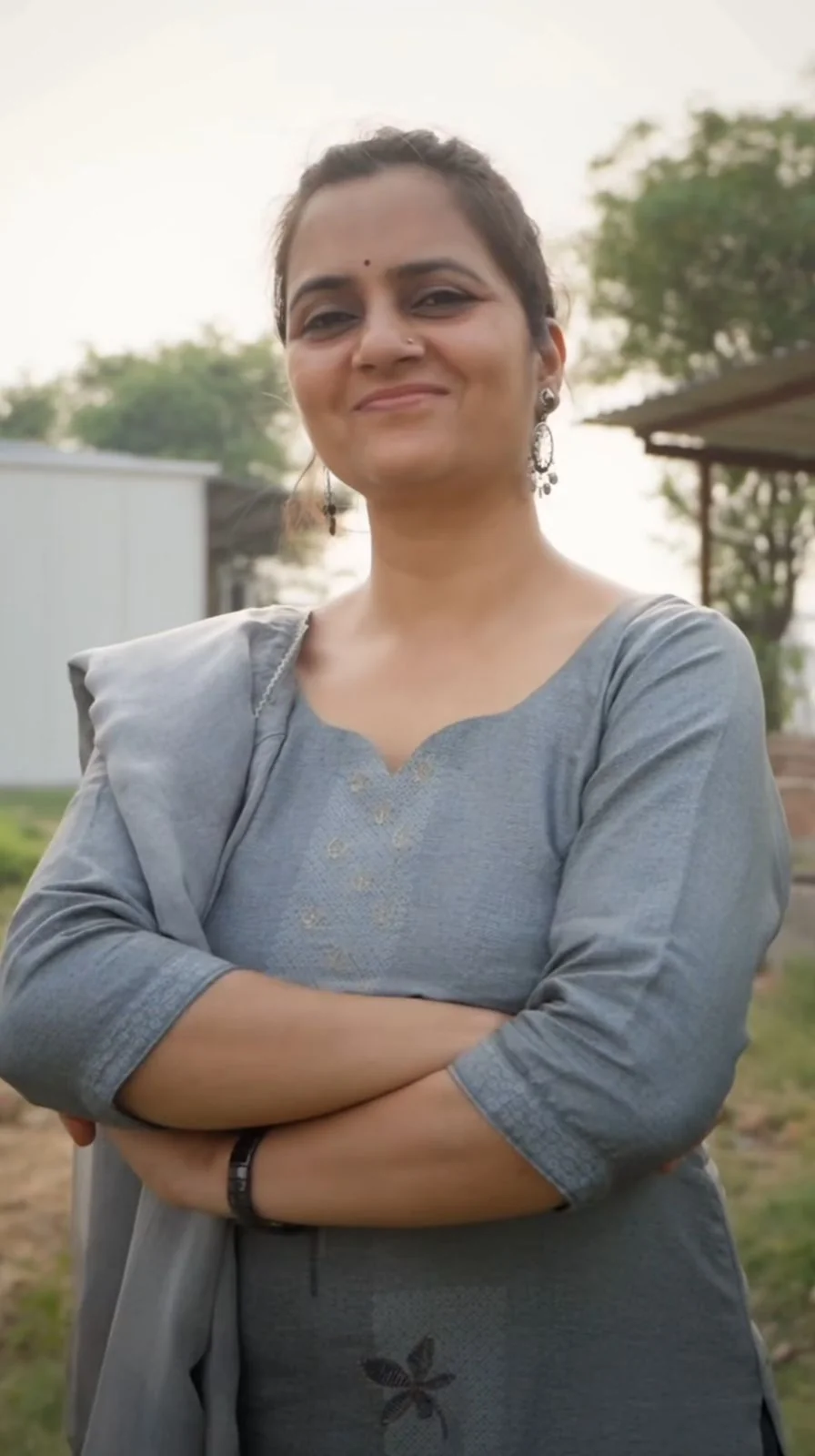
Private mushroom farming training is usually shorter, hands-on and business-oriented, built around running a unit at a profit. Ours is taught by Dr. Sonia Dahiya (Shroomy Delights Agro Tech) from a working farm in Sonipat, Haryana: online ₹1,499, at the farm ₹2,000. View courses →
C. Online Mushroom Training
Online mushroom training is ideal for beginners who want to learn before investing. Benefits include:
- Learn from anywhere in India
- Lower cost than in-person training
- Can revisit concepts before starting your farm
- Ask live questions to expert trainers
3. Comparison of Top Mushroom Training Options
| Training Provider | Mode | Cost | Duration | Best For |
|---|---|---|---|---|
| ICAR-DMR Solan | Offline | ₹7,500–₹15,000 + board | 5–9 days | Research & science |
| KVK (Government) | Offline | Free | 1–3 days | Basic awareness |
| Dr. Sonia Dahiya (Online) | Online | ₹1,499 | 3 hours | Beginners & entrepreneurs |
| Dr. Sonia Dahiya (Offline) | Farm visit | ₹2,000 | 2 hours | Hands-on experience |
| Agricultural Universities | Offline | Varies | 1–4 weeks | Certificate courses |
4. Our Mushroom Farming Training Program
🍄 Why 100+ Farmers Choose Our Training
- Led by Dr. Sonia Dahiya — the "Mushroom Lady of Haryana" with 5+ years experience
- Working farm producing 10,000 kg/month — we teach what we practice
- Covers business planning + marketing, not just cultivation
- Featured in DD News, 30 Stades, The Better India, MoneyMint
- Post-training WhatsApp support — get help when you start your farm
- Special focus on women empowerment in agriculture
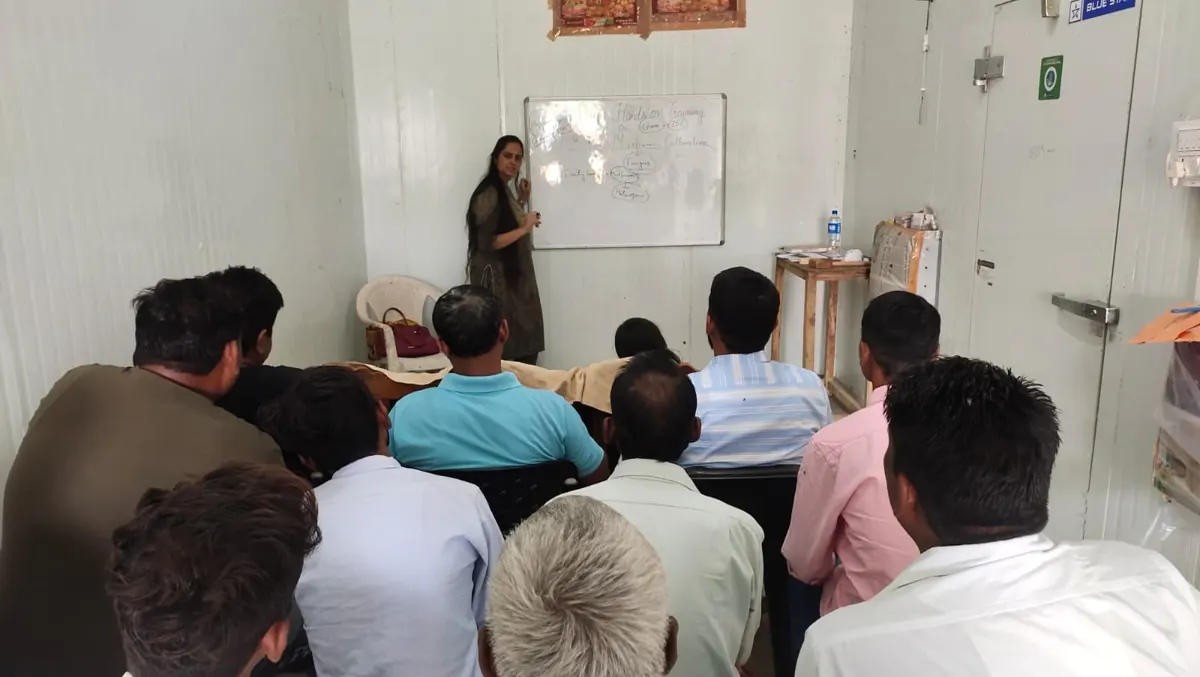
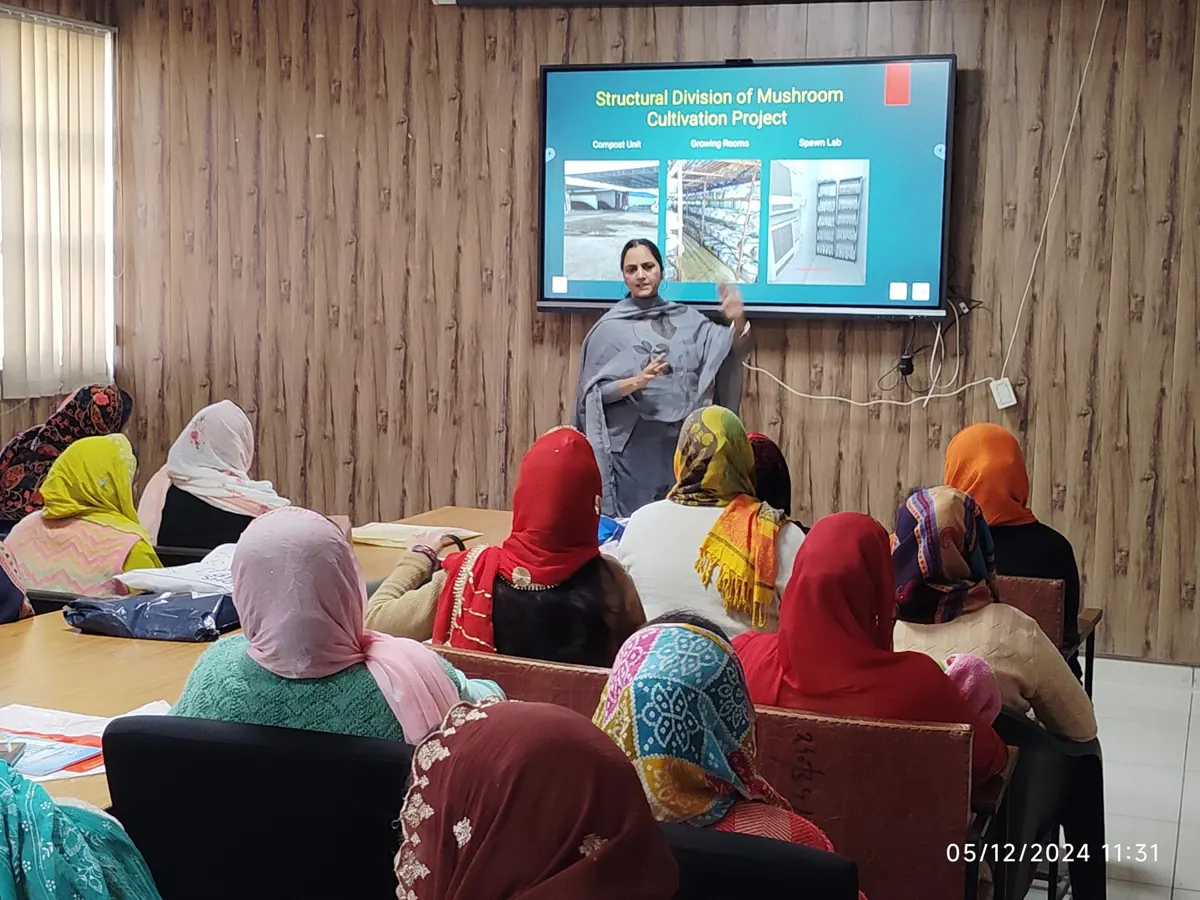
Walk through our growing rooms
Ask any trainer whether they run a working farm. Here is ours: a 12-minute walk through the button mushroom rooms in Sonipat, from bags in spawn run and casing to a crop ready to pick. It is the farm every session is taught from.
5. What You'll Learn in Our Mushroom Training
Online Training (₹1,499)
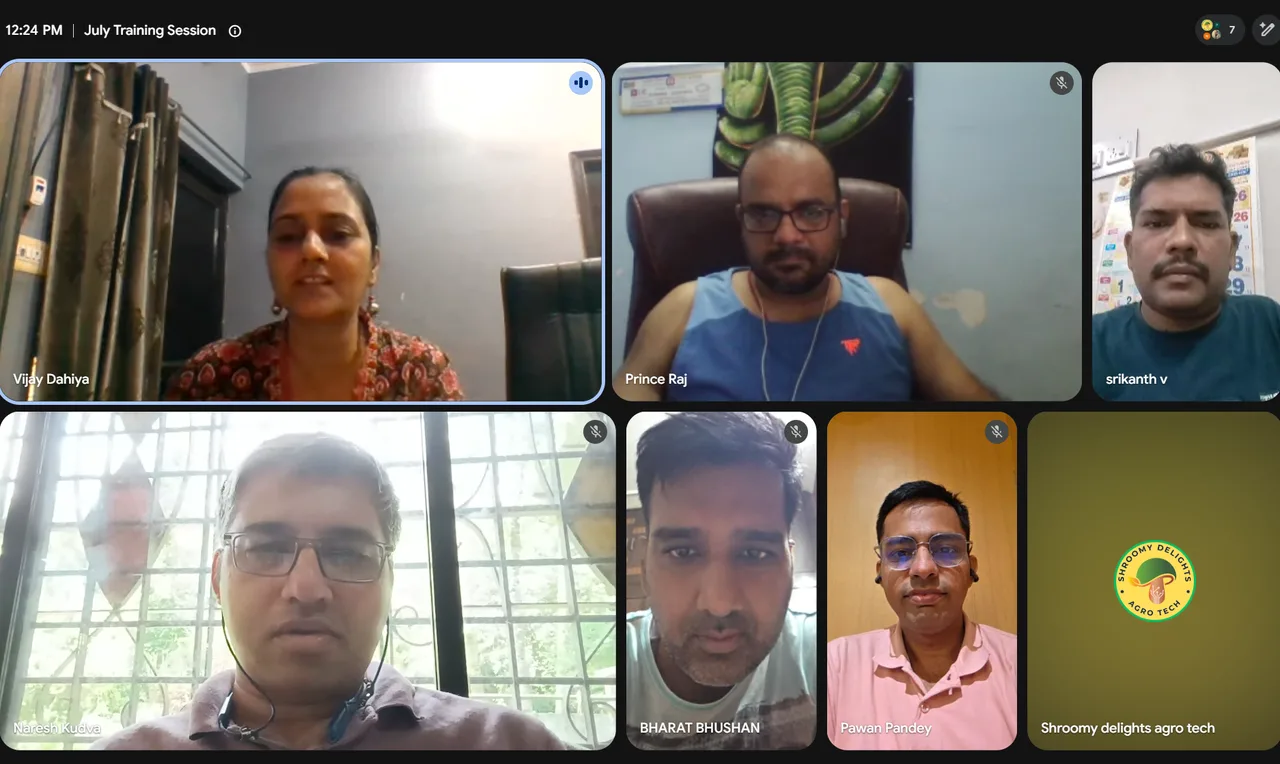
- Introduction to Button Mushroom Farming
- Market Analysis & Profit Potential
- Infrastructure & Room Setup Requirements
- Substrate Preparation Techniques
- Spawn Selection & Quality Control
- Environmental Controls & Management
Offline Farm Visit Training (₹2,000)
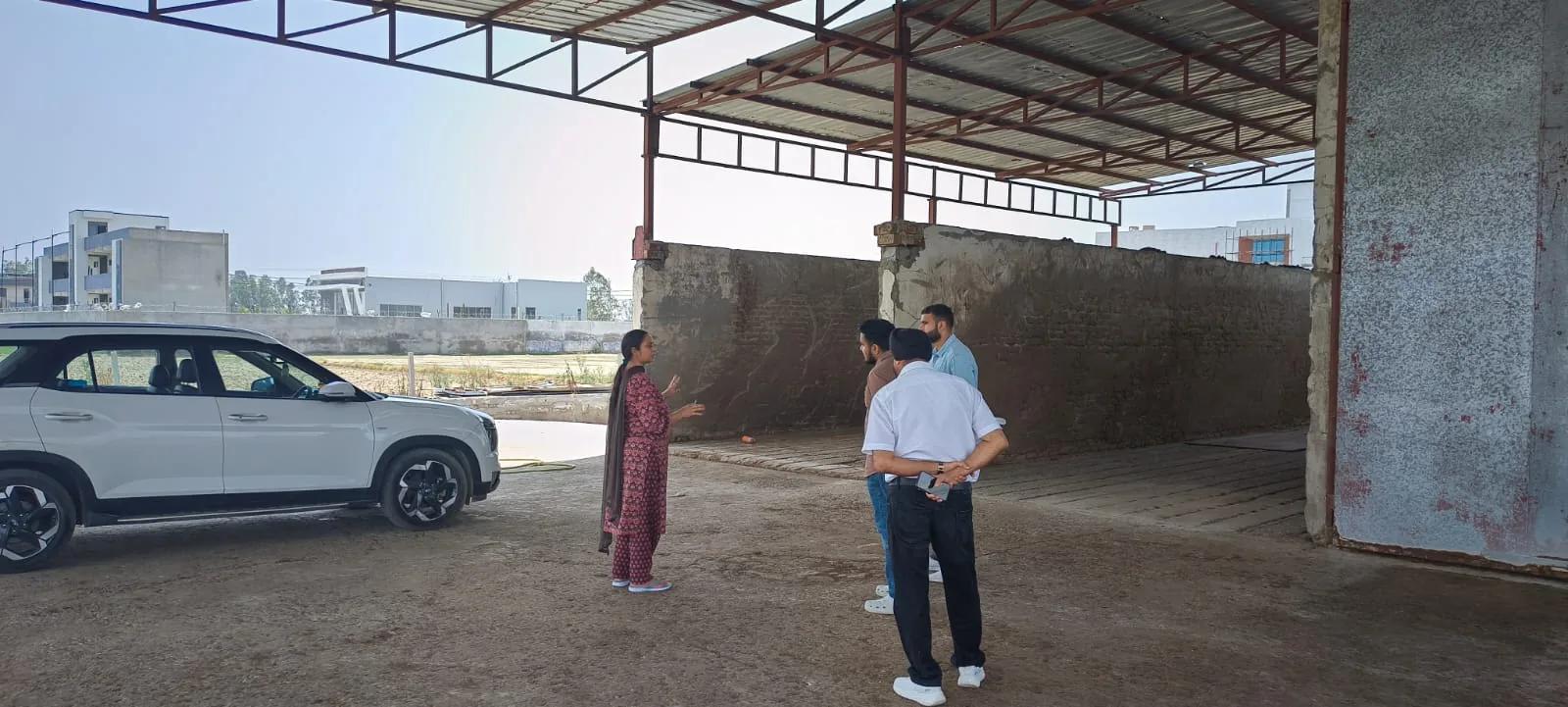
Everything in the online course PLUS:
- Live Demonstrations at our working farm
- Pest & Disease Management (hands-on)
- Harvesting Techniques & Quality Control
- Post-Harvest Handling & Packaging
- Marketing Strategies & Sales Channels
- Complete Business Planning & ROI Analysis
🎓 Next Mushroom Farming Training Batch
29 November 2026 (Sunday) | 10 AM – 1 PM | Limited seats available
Register NowOr WhatsApp us: +91-9911552416
How to Evaluate a Mushroom Trainer (Before You Pay)
Anyone can call themselves a mushroom trainer. The difference between a course that launches your farm and one that wastes your money is rarely the price — it is whether the trainer actually grows mushrooms for a living. Before you pay a rupee, ask these questions and judge the answers honestly.
- Do you run a working, producing farm right now? A teacher who sells mushrooms every week teaches from current reality, not a course they once attended. Ask for their monthly production volume.
- Can I see the farm, in person or on a live video? Genuine trainers are proud to show their growing rooms. Vagueness here is the single biggest red flag.
- What happens after the class ends? Your hardest questions come during your first crop, weeks later. Ask whether post-training support (a WhatsApp group, a callback) is included.
- Do you teach selling, not just growing? Many courses stop at harvest. But as our cost and profit guide shows, selling decides your income. A complete course covers marketing and buyers.
- How many students per batch? A farm visit with 4–5 people lets you touch substrate and ask questions. A hall of 100 is a lecture, not training.
You are not buying information — information is free online. You are buying judgement, feedback, and the confidence that comes from doing each step once under a watchful eye. Price your decision on that, not on the fee alone.
Online vs Offline Mushroom Training: Which Should You Pick?
This is the question I am asked most, and the honest answer is that they solve different problems and the best growers usually do both, in order.
| Factor | Online Training | Offline Farm Visit |
|---|---|---|
| Best for | Understanding fundamentals before investing | Building hands-on confidence and muscle memory |
| Cost | Lower | Slightly higher (travel + farm time) |
| Hands-on practice | None — you watch and ask | Yes — you handle substrate, spawn, harvest |
| Convenience | Learn from anywhere in India | Requires travelling to the farm |
| Revisit content | Easy to review before starting | One-time experience |
My recommended path: take an affordable online course first to learn the vocabulary and the cycle, decide whether mushroom farming truly fits your space and climate, and only then attend an offline farm visit to convert that knowledge into skill. Doing offline first often means you spend the visit learning basics you could have absorbed at home for less.
Our own two courses are built the same way: one syllabus, covering the biology of the crop and the economics of a unit, taught either live online or at our farm in Sonipat. See the online course syllabus, module by module, or what the farm training shows you, with photos from our latest batch.
Free Online Mushroom Training vs a Paid Live Course
Plenty of mushroom farming material is free: video channels, printed guides from farm science centres, and a few open online courses. If you only want to know how mushrooms grow, or you plan a few bags at home, free material is enough and you should start there.
It stops being enough the moment you plan to spend money on a room. Free courses are usually recorded, cover several varieties at once, are often written for other countries’ climates, and cannot look at your room, district or budget. Nobody answers when your first casing layer dries out three weeks later.
| What you get | Free videos and open courses | Our live online course (₹1,499) |
|---|---|---|
| Format | Recorded, self-paced | Live, three hours on a Sunday |
| Questions | Comments, if anyone replies | Asked live, plus a one-to-one hour on your own plan |
| Focus | Many varieties, often generic | Button mushroom, from a farm producing 10,000 kg a month |
| Business side | Rarely covered | Costing, realistic price per kg, buyers |
| After the session | Nothing | WhatsApp support through your first batch |
| Certificate | Sometimes, for a fee | Digital certificate signed by Dr. Sonia Dahiya |
A sensible route: watch free material until you are sure you want a unit, then take one live course before you build anything. The ₹1,499 is small next to one lost batch.
Red Flags: Mushroom Training Scams to Avoid
The fast growth of mushroom farming has attracted some bad actors. Protect your money by walking away when you see these signs:
- Guaranteed buy-back schemes that require you to buy expensive spawn or kits from them at inflated prices — the classic mushroom-fraud pattern reported across India.
- Promises of unrealistic profit with no mention of contamination, crop loss, or the work involved.
- No physical farm you can verify, only a slick website and testimonials you cannot trace.
- Pressure to pay immediately for a “limited offer” before you can ask questions.
- No post-training contact — once you have paid, they vanish.
A trustworthy trainer talks openly about risks and failures, because they have lived through them. If a course only ever describes success, be cautious.
6. How to Choose the Right Mushroom Training
- Define your goal: if you only want an introduction, a short awareness session may be enough. If you plan to sell mushrooms, pick a course that teaches the business as well as the growing.
- Check for hands-on practice: Watching videos isn't enough. Choose training with live demonstrations.
- Verify the trainer's track record: Do they run an actual farm? What's their production volume?
- Ask about post-training support: The first crop is when you need the most help.
- Consider both online + offline: Start with online training to understand basics, then do an offline farm visit.
Frequently Asked Questions About Mushroom Training
What is the best mushroom farming training in India?
There is no single best course; it depends on whether you can travel for a fixed intake and whether you plan to sell what you grow. Ours is built for people starting a commercial button mushroom unit: a live online course (₹1,499) or a farm session at Sonipat (₹2,000), taught by Dr. Sonia Dahiya from a working farm. Both come with a digital certificate signed by her, and the online course includes WhatsApp support through your first batch.
Is there mushroom farming training by the government?
Yes. District Krishi Vigyan Kendras run free or nominal awareness sessions of 1–3 days, ICAR’s Directorate of Mushroom Research at Solan runs 5–9 day courses (₹7,500–₹15,000 plus board on its published calendar), and state agricultural universities offer certificate courses. All are taught in person on fixed intakes. Ours is a private course, not a government one: live online for ₹1,499, joinable from anywhere in India, with a digital certificate signed by Dr. Sonia Dahiya.
How much does mushroom farming training cost?
Government sessions range from free (1–3 day awareness sessions) to ₹7,500–₹15,000 plus board for 5–9 day institute courses. Ours costs ₹1,499 online or ₹2,000 at the farm, and both come with a digital certificate signed by Dr. Sonia Dahiya.
Can I learn mushroom farming online?
Yes. Our live online course (₹1,499) is taught on a Sunday morning with slides and footage from our farm, and you can ask questions throughout. It covers button mushroom only: substrate and spawn, room setup, environment control, and the market and profit potential.
Is there free mushroom farming training online?
Free videos and leaflets are easy to find, but they cannot answer your questions or check your plan. Our live online course costs ₹1,499 and includes live questions, a digital certificate and WhatsApp support through your first batch.
Is mushroom farming training worth the investment?
Absolutely. Untrained farmers lose 30–50% of their first crop to contamination. A ₹1,499–₹2,000 training saves ₹20,000–₹50,000 in avoidable losses.
Do I get a certificate after mushroom training?
Yes. Both our online and farm courses come with a digital certificate signed by Dr. Sonia Dahiya.
Related Articles
- How to Start Mushroom Farming in India — Complete Guide
- Mushroom Farming Cost & Profit — Real Numbers
Find Mushroom Farming Training Near You
We publish a dedicated guide for each of these cities, covering the local training options, the climate and which mushroom suits it, what a starter unit costs there and who buys locally. Pick the one nearest you:
North India
- Mushroom farming training in Delhi
- Mushroom farming training in Gurugram
- Mushroom farming training in Noida
- Mushroom farming training in Chandigarh
- Mushroom farming training in Ludhiana
- Mushroom farming training in Hisar
- Mushroom farming training in Rohtak
- Mushroom farming training in Meerut
- Mushroom farming training in Agra
- Mushroom farming training in Varanasi
West India
South India
- Mushroom farming training in Bengaluru (Bangalore)
- Mushroom farming training in Chennai
- Mushroom farming training in Hyderabad
- Mushroom farming training in Kochi
- Mushroom farming training in Mysuru
- Mushroom farming training in Visakhapatnam
East India
- Mushroom farming training in Kolkata
- Mushroom farming training in Patna
- Mushroom farming training in Bhubaneswar
Central India
Not listed? The live online mushroom farming course is taken from anywhere in India, and our 27 state guides cover the climate and subsidy picture wherever you are.