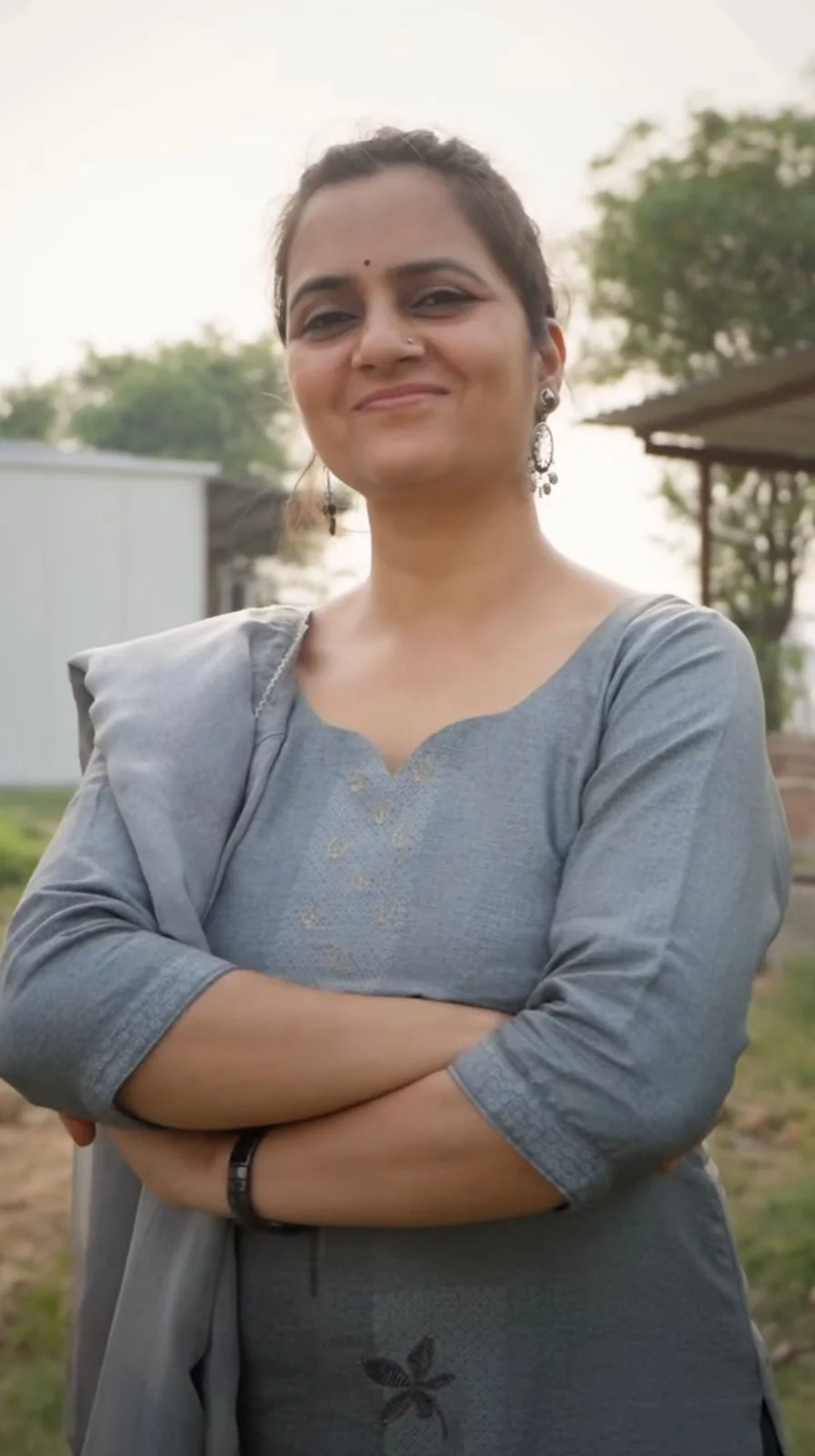
Mushroom farming in Tripura: the Mushroom Village model and community-led economics
Tripura has done something with mushroom cultivation that no other Indian state has managed at comparable scale: built a community-led production ecosystem that operates as a meaningful livelihood-diversification programme rather than as scattered individual operations. The Mushroom Village programme — coordinated jointly by the Tripura State Horticulture Mission, the State Bamboo Mission's complementary value-chain framework, and self-help group networks — has identified specific village clusters across West Tripura, Sepahijala, and South Tripura as designated mushroom-cultivation locations, provided collective infrastructure (training centres, spawn distribution points, packaging facilities, common marketing arrangements), and channeled enhanced subsidy support to participants.
The result is that Tripura's mushroom sector operates under a distinctive economic logic. New entrants wanting to participate enter through the cooperative-cluster framework rather than as standalone operators, accessing infrastructure, training, and marketing channels that individual operators in other states would have to build independently. The programme has become a national reference model for similar initiatives in other NE states and has been studied by horticulture-development planners across India.
Tripura's distinctive mushroom-farming ecosystem
India's most successful state-level community-based mushroom-cultivation programme, NE-enhanced subsidy framework reaching 60–70 per cent capital assistance, monsoon-season-favoured tropical climate supporting oyster and paddy-straw production, and cluster-development infrastructure that lowers entry barriers for new participants meaningfully.
Climate: tropical monsoon with year-round agreeable conditions
Tripura's climate is tropical monsoon across most of the state, with mild winters (December-February with night temperatures of 12–22°C), warm humid summers (March-September with daytime peaks of 28–35°C), and a substantial monsoon from May through October maintaining ambient humidity at 85–95 per cent for nearly six months. The northern Dhalai-Unakoti hilly belt runs slightly cooler than the West Tripura plain.
The practical mushroom calendar is oyster mushroom (Pleurotus ostreatus, P. florida) year-round in ambient conditions, paddy-straw mushroom (Volvariella volvacea) particularly through the monsoon months, and milky mushroom (Calocybe indica) through the warm summer months April–October. Button mushroom production is restricted to chiller-equipped operations and is rarely the right species choice for Tripura units. The triple-species rotation works cleanly because the climate naturally supports each species in its preferred temperature window.
Capital cost in Tripura: low for ambient operations, programme-supported entry
The line items below describe a 100-bag entry-level oyster unit configured for Tripura's tropical-monsoon climate, with the climate-control row reflecting the minimal humidification approach the state's natural humidity allows.
| Component | Cost (INR) |
|---|---|
| Land / Room (rented or owned) | ₹0–₹5,000/month |
| Bags, spawn & substrate (100 bags) | ₹8,000–₹12,000 |
| Racks & shelving | ₹6,000–₹10,000 |
| Climate control | ₹0 (natural climate) |
| Pasteurisation drum & basic tools | ₹4,000–₹7,000 |
| Packaging & labelling | ₹3,000–₹5,000 |
| Approx total (starter setup) | ₹21,000–₹39,000 |
The Mushroom Village programme materially reduces effective entry cost for participants. The cooperative framework provides shared infrastructure (training, spawn supply, packaging, marketing) at subsidised access, which compresses the capital outlay an individual entrant otherwise faces. Combined with NE-enhanced subsidy reaching 60–70 per cent capital assistance, programme-participating units have among the lowest effective entry costs in India for mushroom-cultivation operations.
Yields and revenue: cooperative-channel pricing
Per-bag yields match the national norm. Revenue side reflects the cooperative-channel pricing logic that benefits collective producer outcomes.
| Metric | 100-bag setup | 500-bag setup |
|---|---|---|
| Average yield per bag | 0.8–1.2 kg | 0.8–1.2 kg |
| Total yield per cycle | 80–120 kg | 400–600 kg |
| Cycle duration | 35–45 days | 35–45 days |
| Market price (your state) | ₹120–180/kg (Oyster) | ₹120–180/kg (Oyster) |
| Estimated revenue per cycle | ₹15k–₹30k | ₹75k–₹1.5L |
Local pricing in 2026: Agartala's Battala wholesale market cleared oyster at ₹120–₹170 per kilogram. Modern-trade retail cleared ₹160–₹220. Direct supply to Agartala's hotel sector cleared ₹180–₹220. Tripura's Mushroom Village cooperative-channel retail leverages collective-pricing to reach competitive end-consumer pricing while ensuring fair returns to participating producers.
Tripura Mushroom Village programme plus NE-enhanced MIDH
Tripura implements MIDH through the State Horticulture Mission with NE-enhanced subsidy reaching 60–70 per cent capital assistance. The Mushroom Village programme operates as a parallel coordinated framework providing collective infrastructure and additional support to participating producers in designated cluster villages. The Tripura Rural Livelihood Mission supports women-led SHG mushroom-cultivation participants.
For non-Mushroom-Village independent commercial operations, the standard MIDH-NE route applies. The state's compact geography means processing efficiency is good across the major district offices.
College of Agriculture Tripura and the Mushroom Village training
Tripura University's College of Agriculture and ICAR Tripura Centre run mushroom-related applied programmes. The Mushroom Village programme maintains its own training infrastructure operated through the State Horticulture Mission, which is the natural entry point for cooperative-channel applicants. Among the relevant Krishi Vigyan Kendras, KVK Agartala is the most consistently active.
For independent commercial operators wanting structured production-and-economics training rather than the cooperative-channel orientation, our Shroomy Delights Agro Tech live online programme at ₹1,499 teaches button mushroom (Agaricus) production and the business side, with a digital certificate signed by Dr. Sonia Dahiya. Its one-to-one hour is where you bring Tripura-specific questions, such as operating an independent commercial unit alongside the Mushroom Village ecosystem and inter-state market access through Bangladesh-border-adjacent logistics. In Tripura's climate button needs a cooled room for most of the year, and the course covers setting up and costing one. The offline farm-visit programme at ₹2,000 at our Sonipat unit suits Tripura operators planning chiller-equipped expansion.
Mushroom farming in neighbouring states
For state-specific guidance bordering Tripura, see: Assam • Mizoram.
Train with us from Tripura
Live online training at ₹1,499 in button mushroom farming, with a digital certificate signed by Dr. Sonia Dahiya and a one-to-one hour for your questions on operating an independent commercial unit alongside the Mushroom Village cooperative ecosystem and inter-state market access through Bangladesh-border-adjacent logistics. Offline farm-visit at our Sonipat unit at ₹2,000.
Register for the next cohort →WhatsApp: +91-9911552416
FAQs — mushroom farming in Tripura
How does the Tripura Mushroom Village programme work?
The programme designates specific village clusters as mushroom-cultivation locations, provides collective infrastructure including training centres and spawn supply, channels enhanced subsidy support, and operates a coordinated marketing channel. New participants apply through the State Horticulture Mission and SHG networks.
Should I join the Mushroom Village programme or operate independently?
For small-scale community-rooted operations, the cooperative framework provides infrastructure and support that significantly lowers entry barriers. For commercial-scale operations targeting independent supply chains, independent operations work better despite higher individual capital outlay.
What does it cost to start mushroom farming in Tripura?
Mushroom Village cooperative entry: significantly subsidised, often ₹5,000–₹15,000 effective participant contribution. Independent 100-bag oyster unit: ₹28,000–₹48,000 pre-subsidy, with NE-enhanced subsidy bringing net outlay down by ₹15,000–₹25,000.
Can I sell Tripura mushrooms in Bangladesh?
The state shares borders with Bangladesh, but cross-border trade in fresh mushroom requires specific licensing and is outside the typical Tripura mushroom-farming operation. Most viable Tripura units serve the Agartala local market and the broader NE region.
Related reading