How to Apply for Mushroom Farming Subsidy in India (2026)
📋 Table of Contents
Knowing that a 25–50% mushroom farming subsidy exists is the easy part. Actually receiving one means writing a project report that survives scrutiny, navigating the PMEGP portal without tripping the errors that void an application, and understanding why most rejections happen before an officer ever visits your site. This guide is the application process end to end, from documents through to the money reaching your loan account.
Where this guidance comes from
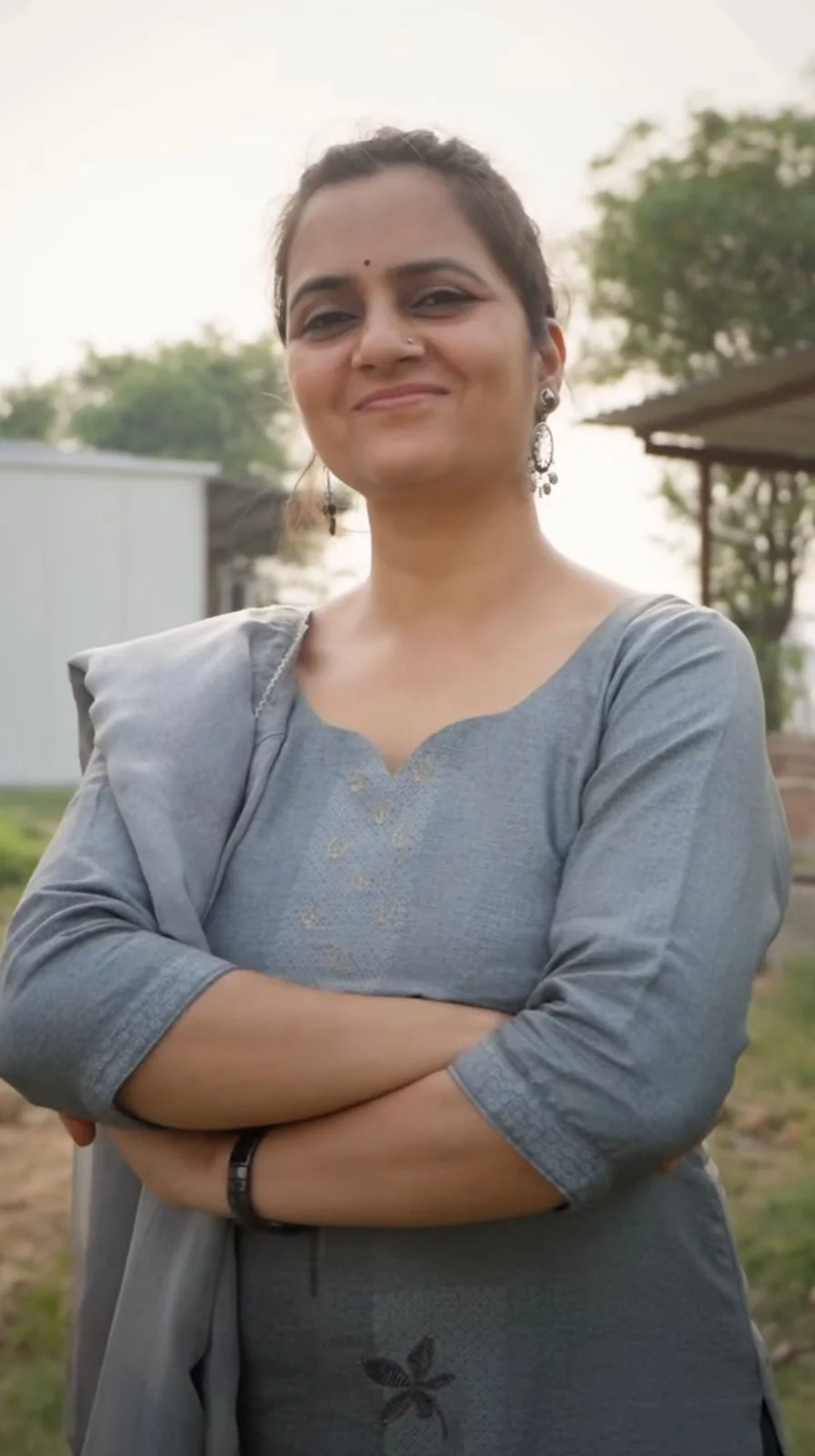
- Who wrote it: Dr. Sonia Dahiya, who runs a 10,000 kg/month button mushroom unit at V.P.O Barwasni, Sonipat, and has sat with more than 200 trainees while they prepared project reports for these schemes.
- Scheme rates and rules come from the government portals themselves, each one linked in the table below. They were checked in September 2026. Rates and ceilings change from year to year and states vary the top-up — always confirm on the portal before you budget.
- Timelines and rejection reasons are what we have seen across those applications. They are typical, not guaranteed, and your district office may move faster or slower.
- What we cannot do: nobody can promise you a subsidy. Approval rests with KVIC, your bank and your District Horticulture Officer. Anyone who offers a guaranteed sanction for a fee is worth walking away from.
One point worth absorbing before you read on: the subsidy is not money you receive up front. You fund the setup yourself or through a bank loan, and the subsidy is credited afterwards against that loan once you have submitted proof of completion. Section 6 sets out what that means for your cash flow.
1. Which Subsidy Scheme Applies to You
Want to learn this properly? Dr. Sonia Dahiya runs a live online mushroom farming course for ₹1,499 — next session 29 November 2026 (Sunday), joinable from anywhere in India.
Six central schemes can fund a mushroom unit, and the right one depends on your scale and what you are building. This page is the application playbook — how to write the report, work the portal and avoid rejection. For a full scheme-by-scheme comparison including NHB, PMFME and AIF, read our guide to the 6 government subsidy schemes.
| Scheme | Subsidy % | Best for | Applied via |
|---|---|---|---|
| PMEGP | 25–35% | A brand-new enterprise | KVIC/DIC online |
| NHM/MIDH | 40–50% | Small to mid production units | District Horticulture Officer |
| NHB | Project-based | Large climate-controlled units | NHB online |
| PMFME | 35% | Drying, packaging, processing | State nodal agency |
| Mudra | Loan, not subsidy | Working capital up to ₹10 lakh | Any bank |
| State schemes | 20–50% | Topping up a central scheme | State agriculture dept |
Every scheme name above links to its official portal. Percentages are the published headline rates as at September 2026 and are frequently revised — confirm yours on the portal, because a project cost built on a stale rate is one of the rejection reasons in section 5.
Most first-time mushroom growers apply through PMEGP or NHM/MIDH, so the walkthrough below follows those two. The documents, DPR structure and rejection reasons apply to every scheme.
2. Documents Required for Subsidy Application
- Aadhaar Card & PAN Card
- Project Report (DPR) — Most important document. Include cost breakdown, revenue projections, technical details.
- Land documents — Ownership proof or lease agreement
- Bank passbook — Last 6 months
- Education certificate — 8th pass minimum for PMEGP
- Caste certificate — For SC/ST/OBC higher subsidy rate
- Passport-size photographs
- Training certificate — From recognized institute (increases approval chances)
3. How to Write a Mushroom Farming Project Report (DPR)
The Detailed Project Report (DPR) is the single most important document for subsidy approval. A weak DPR is the #1 reason applications get rejected. Here’s the structure that gets approved:
Sample DPR Structure for a ₹5 Lakh Mushroom Unit
| Section | What to Include |
|---|---|
| Executive Summary | Project type (oyster/button), location, capacity, total cost, subsidy requested |
| Promoter Background | Your education, farming experience, training certificates (attach copies) |
| Technical Details | Growing room size, compost type, spawn source, production cycle timeline |
| Market Analysis | Local demand, nearby restaurants/hotels, mandi prices in your district |
| Financial Projections | Monthly production estimate, revenue, operating costs, break-even timeline |
| Cost Breakdown | See detailed table below |
Sample Cost Breakdown (₹5 Lakh Oyster Mushroom Unit)
| Item | Cost (₹) |
|---|---|
| Room construction / modification (500 sq ft) | 1,50,000 |
| Shelving / racks (steel, 4-tier) | 60,000 |
| Humidifier, sprayer, fogger system | 25,000 |
| Spawn & substrate (first 6 months) | 40,000 |
| Sterilization drum & equipment | 30,000 |
| Polythene bags, ropes, chemicals | 15,000 |
| Weighing scale, packaging material | 10,000 |
| AC unit (for button mushroom only) | 50,000 |
| Working capital (3 months) | 70,000 |
| Miscellaneous & contingency | 50,000 |
| Total Project Cost | 5,00,000 |
| PMEGP Subsidy (35% for rural SC/ST/women) | -1,75,000 |
| Your Investment After Subsidy | 3,25,000 |
💡 Dr. Dahiya’s Tip
“I’ve helped over 200 trainees prepare their DPRs. The biggest mistake people make is inflating revenue numbers. Banks and KVIC officers have seen hundreds of mushroom DPRs — keep your projections realistic. Show ₹15,000–25,000/month profit for a small unit, not ₹1 lakh. Realistic numbers build trust and get approved faster.” — Dr. Sonia Dahiya
4. Step-by-Step PMEGP Online Application Walkthrough
Many applicants struggle with the online portal. Here is exactly what to do:
- Visit kviconline.gov.in and click “PMEGP e-Portal”
- Click “Online Application for Individual” — Do NOT click the SHG/Institution option unless you are a registered group
- Fill personal details — Name exactly as on Aadhaar, mobile number (OTP will be sent), email
- Select “Manufacturing” as project type and choose “Agro Based & Food Processing” as industry category
- Enter project cost — This should match your DPR exactly (maximum ₹25 lakh for manufacturing)
- Upload documents — Aadhaar, PAN, photo, education certificate, caste certificate (if applicable), and most importantly your Project Report (DPR) as PDF
- Select implementing agency — Choose KVIC or DIC (District Industries Centre) based on your area
- Submit and note your application ID — You will receive an SMS confirmation
- Track status at the same portal using your application ID
- Interview/inspection — KVIC/DIC officer will visit your proposed site within 30–60 days
Processing time: Typically 3–6 months from application to subsidy disbursement. During peak season (January–March), it can take longer due to high volume of applications.
5. Top 7 Reasons Subsidy Applications Get Rejected
Based on feedback from KVIC officers and our trainees’ experiences:
- Incomplete DPR — Missing financial projections or market analysis section
- Aadhaar mismatch — Name on application doesn’t match Aadhaar exactly (even a spelling difference)
- No land proof — You must show ownership deed or registered lease agreement (minimum 5 years)
- Already availed subsidy — If you or your spouse has taken any PMEGP/REGP subsidy before, you are ineligible
- Unrealistic projections — Showing ₹1 lakh/month profit from a ₹2 lakh unit raises red flags
- No training certificate — While not mandatory, applications without training proof are deprioritized
- Wrong category selection — Selecting “Service” instead of “Manufacturing” for a production unit
✅ Pro Tip: Combine Schemes Legally
You cannot take two subsidies for the same component, but you CAN combine different schemes for different components. Example: Use PMEGP for room setup + equipment, and NHM for spawn production lab. This is perfectly legal and many successful farmers do it. Consult your DHO for guidance.
6. Realistic Timeline: Application to First Harvest
| Month | Activity | Status |
|---|---|---|
| Month 1 | Get training, prepare DPR | Pre-application |
| Month 2 | Submit PMEGP application online | Applied |
| Month 3–4 | KVIC processing, site inspection | Under review |
| Month 5 | Approval received, bank loan sanctioned | Approved |
| Month 5–6 | Room construction, equipment purchase | Setup phase |
| Month 7 | First batch spawning | Production begins |
| Month 8 | First harvest & sales | Revenue starts |
| Month 9–12 | Submit completion report to KVIC | Subsidy released |
Important: The subsidy is released after you complete the project setup and submit proof (bills, photos, bank statements). You need to fund the initial setup from your own pocket or bank loan, and the subsidy amount is then deposited to reduce your loan.
7. One Application That Worked, in Full
A trainee of ours in Rohtak, Haryana applied for PMEGP in March 2025 for a ₹10 lakh button mushroom unit. The figures below are as she reported them to us; we have withheld her name at her request, so treat this as one documented example rather than a verifiable public record. It is included because the shape of a successful application is more useful than the headline number.
- Category: Rural woman entrepreneur (35% subsidy rate)
- Project cost: ₹10,00,000
- Subsidy received: ₹3,50,000
- Bank loan: ₹5,50,000 (at 9% interest for 5 years)
- Own contribution: ₹1,00,000 (10%)
- Time from application to approval: 4 months
- Current monthly revenue: ₹80,000–1,20,000
She attended our 5-day hands-on training, which included help preparing the DPR, and attached the training certificate to her PMEGP application.
What this case does and does not show. Her 35% rate came from applying as a rural woman entrepreneur; a general-category applicant in an urban area would have received 15–25% on the same project. Four months from application to approval was quicker than typical — section 6 sets out the more common 6–12 month path. And the ₹80,000–1,20,000 monthly revenue is the unit running at capacity after setup, not what it earned in its first quarter, which was nothing at all while the rooms were being built. One outcome is not a forecast for yours.
8. 5 Mistakes to Avoid When Applying
- Don’t apply to multiple agencies simultaneously — KVIC, DIC, and State Boards share databases. Duplicate applications get flagged and both rejected.
- Don’t start construction before approval — If you begin work before receiving the sanction letter, the subsidy can be denied on inspection.
- Don’t ignore the bank interview — After KVIC recommends you, the bank does its own appraisal. Dress professionally, bring all original documents, and know your DPR numbers.
- Don’t forget to get FSSAI license — Food processing units need FSSAI registration (₹100 for small units). Apply at foscos.fssai.gov.in before subsidy inspection.
- Don’t skip the completion report — Many farmers set up the unit but forget to submit photos, bills, and completion certificate to KVIC. Without this, subsidy is never released.
🎓 Get Training + Help with Subsidy Application
Our training includes business plan preparation and DPR assistance that you can use for PMEGP, NHM, and other loan/subsidy applications
View Training CoursesFrequently Asked Questions
How much subsidy is available for mushroom farming?
Government subsidies range from 25% to 50% of project cost. PMEGP offers 25–35%, NHM/MIDH offers 40–50%. Special categories (SC/ST/women) get higher rates. The maximum project cost under PMEGP is ₹25 lakhs for manufacturing units.
How to apply for mushroom farming subsidy?
For PMEGP, apply online at kviconline.gov.in. For NHM subsidy, contact your district horticulture officer. You need a project report (DPR), Aadhaar card, PAN card, land documents, education certificate, and bank passbook.
Can I get 100% subsidy for mushroom farming?
No government scheme offers 100% subsidy. The maximum is 50% (NHM for SC/ST in some states). However, combining PMEGP subsidy (35%) + bank loan can mean you only invest 10% of project cost from your own pocket.
Do I need training certification for subsidy?
Not mandatory for most schemes, but having a training certificate from a recognized institute significantly improves your approval chances. KVIC and banks prefer trained applicants. We issue a certificate on completion of our training, which trainees have attached to PMEGP and NHM applications. No private certificate is officially recognised by these schemes, and none of them guarantee approval.
How long does PMEGP subsidy take to process?
Typically 3–6 months from application submission to approval. The subsidy money itself is released after project completion, which can be another 2–3 months. Total timeline from application to subsidy in bank: 6–12 months.
Can I apply for PMEGP and NHM subsidy together?
Not for the same component. But you can legally use PMEGP for room setup and equipment, while applying for NHM subsidy for spawn production lab separately. Consult your District Horticulture Officer for guidance on combining schemes.
What is the minimum land required for mushroom farming subsidy?
There is no fixed minimum land requirement, but you need to show land ownership or a registered lease agreement (minimum 3–5 years) for the project site. Even 500 sq ft of covered area is sufficient for a small mushroom unit.
Can a salaried person apply for mushroom farming subsidy?
Yes, salaried individuals can apply for PMEGP if the mushroom unit will be their primary source of self-employment. However, government employees and pensioners are not eligible. You may need to show intent to leave employment or run the unit part-time with hired workers.
Related Articles
- Mushroom Farming Business Plan
- Cost & Profit Analysis
- How to Start Mushroom Farming
- Best Training in India
State-Wise Farming Guides