Meeting with Haryana CM Nayab Singh Saini — Addressing the Critical Challenges Facing Mushroom Farmers

📋 Table of Contents
- Background: Why This Meeting Matters
- Subsidised Electricity for Mushroom Farmers
- Subsidy for Solar Setup in Mushroom Farming
- Cold Chain & Post-Harvest Infrastructure
- Minimum Support Price & Market Access
- Government Training & Skill Development Centres
- Crop Insurance & Risk Mitigation
- Water & Irrigation Support
- Why These Reforms Matter for Haryana
- CM’s Response & Way Forward
- Frequently Asked Questions
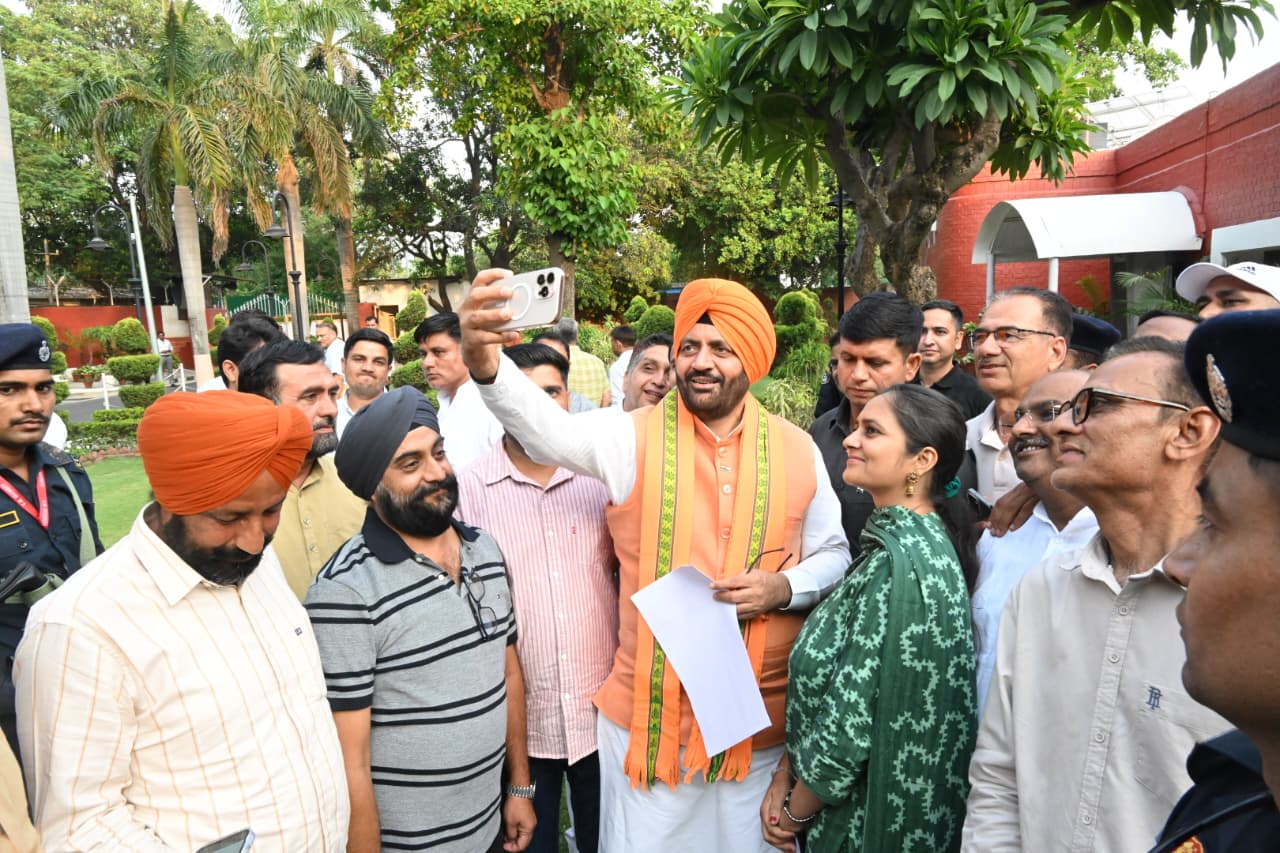
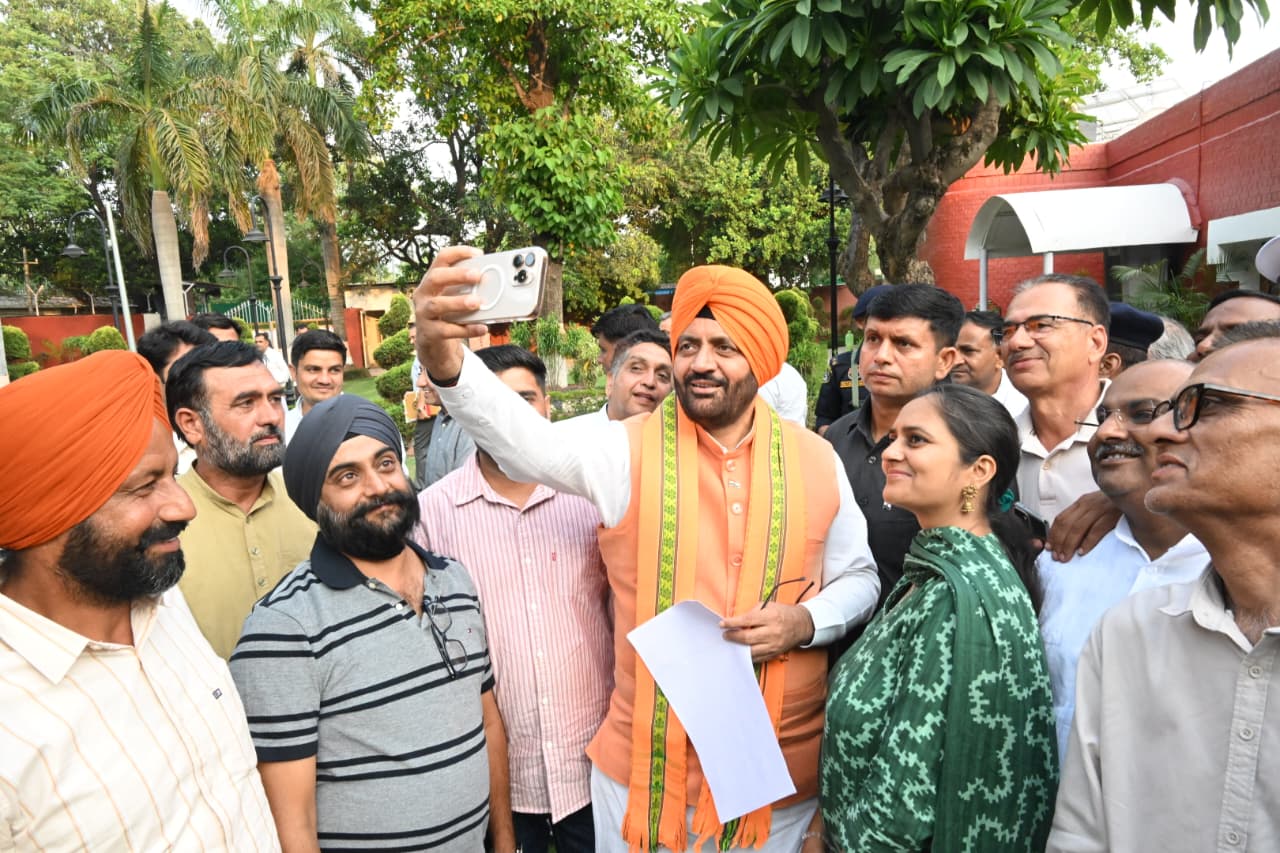
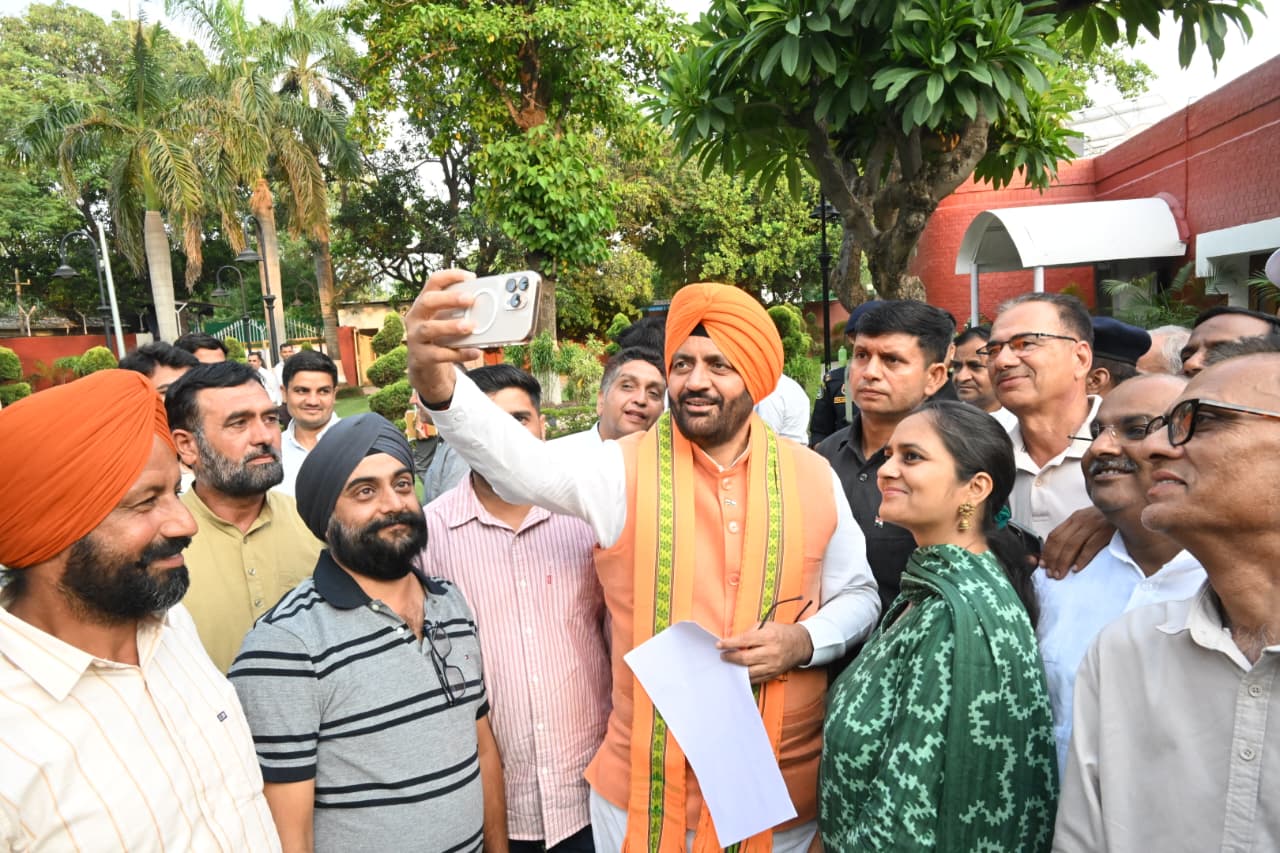
On 18 June 2026, I had the privilege of meeting Shri Nayab Singh Saini, the Hon’ble Chief Minister of Haryana, to present a detailed memorandum outlining the challenges faced by mushroom farmers across Haryana. This meeting was the culmination of months of grassroots consultation with farmers from Sonipat, Panipat, Karnal, Rohtak, Jhajjar, and other districts who are engaged in mushroom cultivation — one of the most promising yet underserved segments of Indian agriculture.
The mushroom farming sector in Haryana has been growing at an impressive 15–20% annually over the past five years, with the state emerging as one of India’s top producers of button mushrooms. Yet, despite this growth, farmers continue to face systemic challenges that limit profitability, discourage new entrants, and prevent the sector from achieving its full potential. From crippling electricity costs to the absence of cold chain infrastructure, the issues are well-documented but have lacked the policy attention they deserve.
This blog post provides a comprehensive account of every issue we raised with the Chief Minister, the data behind our demands, and what these reforms could mean for the thousands of existing and aspiring mushroom farmers in the state.
1. Background: Why This Meeting Matters
Mushroom farming is fundamentally different from traditional agriculture. It is a controlled-environment agriculture (CEA) practice that demands precise regulation of temperature, humidity, ventilation, and sanitation. Unlike conventional crops that depend on monsoons and seasons, mushroom cultivation is a year-round, factory-style operation that relies heavily on electricity and infrastructure.
Haryana currently has an estimated 2,000+ active mushroom farming units, ranging from small seasonal growers in rural villages to large-scale commercial operations producing 5,000–20,000 kg per month. The sector directly employs over 15,000 workers — a majority of them women — and contributes significantly to the state’s horticulture output.
Despite its economic contribution, mushroom farming in Haryana is not classified as an agricultural activity for the purpose of electricity tariffs, which means farmers pay commercial or industrial electricity rates rather than the subsidised agricultural rates that crop farmers receive. This single policy gap is the biggest barrier to growth in the sector.
💡 Key Fact
Mushroom farming consumes 3–5 times more electricity per acre than traditional agriculture due to the need for air conditioning, cold rooms, humidification, and pasteurisation equipment. Yet it generates 10–15 times more revenue per acre and creates 5–8 times more employment per unit area compared to rice-wheat cultivation.
2. Subsidised Electricity for Mushroom Farmers
The single most impactful demand we placed before the Chief Minister was the reclassification of mushroom farming electricity connections from commercial/industrial to agricultural category.
The Problem in Numbers
Let’s understand the scale of the electricity burden on mushroom farmers:
| Component | Power Consumption | Running Hours (per day) | Monthly kWh |
|---|---|---|---|
| Air conditioning (growing rooms) | 5–10 kW | 16–20 hours | 2,400–6,000 |
| Cold storage | 3–5 kW | 24 hours | 2,160–3,600 |
| Humidifiers & foggers | 1–2 kW | 8–12 hours | 240–720 |
| Exhaust fans & ventilation | 1–3 kW | 12–16 hours | 360–1,440 |
| Pasteurisation/sterilisation | 5–8 kW | 4–6 hours (batch days) | 300–720 |
| Lighting & miscellaneous | 0.5–1 kW | 10–14 hours | 150–420 |
| Total (medium farm) | 5,600–12,900 |
At commercial rates of ₹8–10 per unit (Haryana UHBVN/DHBVN), a medium mushroom farm pays ₹45,000 to ₹1,30,000 per month just in electricity bills. By comparison, traditional crop farmers pay ₹3–4 per unit under the agricultural tariff slab.
What We Demanded
- Reclassification of mushroom farming as an agricultural activity under the Haryana Electricity Regulatory Commission (HERC) tariff schedule
- Dedicated “Horticulture/Protected Cultivation” tariff slab at ₹3–4 per unit, on par with polyhouse and greenhouse farming that already receives subsidised rates in some states
- Fixed-charge waiver or reduction for mushroom units below 20 kW connected load to benefit small and marginal farmers
- Time-of-Day (ToD) incentive — allowing mushroom farms to run high-load equipment during off-peak hours at reduced rates (11 PM to 6 AM), which aligns well with the nocturnal growth cycle of mushrooms
✅ Impact If Implemented
Subsidised electricity would reduce operating costs by 30–40% for mushroom farmers. A farm currently spending ₹80,000/month on electricity would save approximately ₹45,000–55,000/month, directly translating to higher net income for farmers and enabling reinvestment in quality and capacity expansion.
3. Subsidy for Solar Setup in Mushroom Farming
The second major demand focused on enabling mushroom farmers to generate their own clean energy through solar panels, reducing both electricity costs and carbon footprint.
The Current Gap
India has two major solar subsidy programmes for agriculture and MSMEs:
- PM-KUSUM (Pradhan Mantri Kisan Urja Suraksha evam Utthaan Mahabhiyan) — provides 60–70% subsidy on solar pumps and grid-connected solar for farmers, but mushroom farmers are often excluded because they don’t have “agricultural land” connections
- National Portal for Rooftop Solar — provides up to 40% subsidy on rooftop solar panels (up to 3 kW) for residential users, but commercial/industrial connections get no subsidy
Since mushroom farms are classified as commercial establishments in Haryana, they fall into a policy blind spot — too agricultural to be industrial, but not “agricultural enough” to qualify for farmer-focused solar schemes.
What We Demanded
- Inclusion of mushroom farming in PM-KUSUM Component-C (grid-connected solar for farmers) so that farmers can install 10–25 kW rooftop systems at 60–70% subsidy
- State-level top-up subsidy of 20% over and above central subsidy for mushroom units adopting solar, bringing the effective farmer contribution down to 10–20% of total cost
- Net metering facility at agricultural rates so that excess solar power generated during daytime can be exported to the grid and credited against night-time consumption
- Interest-free loans for the farmer’s share of solar installation cost, repayable over 5 years through electricity savings
Cost-Benefit Analysis for a Typical Farm
| Parameter | Without Solar | With 15 kW Solar (subsidised) |
|---|---|---|
| Monthly electricity bill | ₹80,000 | ₹25,000–35,000 |
| Solar installation cost | — | ₹7,50,000 (before subsidy) |
| After 60% subsidy | — | ₹3,00,000 (farmer pays) |
| Monthly savings | — | ₹45,000–55,000 |
| Payback period | — | 6–8 months |
| 25-year savings | — | ₹1.2–1.5 crore |
4. Cold Chain & Post-Harvest Infrastructure
Mushrooms are among the most perishable agricultural products in India. A freshly harvested button mushroom has a shelf life of just 24–48 hours at room temperature and 7–10 days under refrigeration. The absence of affordable cold chain infrastructure leads to 20–30% post-harvest losses, directly eating into farmer income.
What We Demanded
- Subsidised community cold rooms at block level (every 15–20 km radius in mushroom-growing belts) under the Pradhan Mantri Kisan Sampada Yojana
- Refrigerated transport subsidy — 50% subsidy on purchase of insulated/refrigerated mini-vans (Tata Ace or similar) for mushroom transport from farm to mandi or retail outlets
- Pack-house infrastructure — subsidised pre-cooling, grading, and packaging units near major mushroom clusters in Sonipat, Panipat, and Karnal districts
- Shelf-life extension technology — government-funded research and dissemination of modified atmosphere packaging (MAP) and vacuum cooling techniques suitable for small farmers
5. Minimum Support Price & Market Access
Unlike wheat, rice, and other staple crops, mushrooms have no Minimum Support Price (MSP). This means mushroom farmers are entirely at the mercy of market fluctuations. During peak season (November–February), when supply spikes, wholesale prices can crash from ₹120–150/kg to as low as ₹60–80/kg, often below the cost of production.
What We Demanded
- Introduction of a floor price mechanism for mushrooms, similar to the MSP system, set at a minimum of ₹100/kg for button mushrooms and ₹150/kg for oyster mushrooms
- Direct procurement by government agencies (HAFED, NAFED) during glut periods to stabilise prices
- Inclusion of mushrooms in the mid-day meal scheme and government hostel/canteen menus to create steady institutional demand
- Dedicated mushroom mandis or mushroom trading counters in existing APMC mandis with temperature-controlled storage
- E-NAM integration — listing fresh and processed mushrooms on the National Agriculture Market (e-NAM) platform to enable transparent online trading and inter-state market access
6. Government Training & Skill Development Centres
While private training institutes like ours are filling the knowledge gap, there is a strong need for government-funded training infrastructure to make mushroom farming education accessible to all, especially marginalised communities and women.
What We Demanded
- Establishment of a State Mushroom Research & Training Centre in Haryana (similar to the ICAR-Directorate of Mushroom Research in Solan, Himachal Pradesh) for region-specific R&D
- Mushroom farming modules to be included in ATMA (Agricultural Technology Management Agency) and KVK (Krishi Vigyan Kendra) training calendars across all Haryana districts
- Stipend-based training programmes for women and youth from BPL families, with ₹500/day stipend during training period and free starter kits upon completion
- Skill development partnerships with private farms (including Dr. Dahiya Mushroom Farm) under the Deen Dayal Upadhyaya Grameen Kaushalya Yojana (DDU-GKY) for hands-on apprenticeships
7. Crop Insurance & Risk Mitigation
Mushroom farming carries unique risks that are not covered by existing crop insurance schemes. A single equipment failure — an AC breakdown, a power outage lasting 12+ hours, or contamination during spawn run — can wipe out an entire crop batch worth ₹2–5 lakhs in a matter of hours.
What We Demanded
- Inclusion of mushroom cultivation under the Pradhan Mantri Fasal Bima Yojana (PMFBY) or a dedicated horticulture insurance scheme
- Equipment breakdown insurance at subsidised premiums covering AC compressor failure, cold storage malfunction, and power equipment damage
- Weather-indexed insurance for unseasonal heat waves that cause mass crop failure in button mushroom farms (crops require 14–18°C; temperatures above 25°C can destroy an entire batch)
- Premium subsidy of 50–60% for small and marginal mushroom farmers (units producing less than 5,000 kg/month)
8. Water & Irrigation Support
Mushroom farming requires significant quantities of clean water for compost preparation, humidification, and sanitation. While per-acre water consumption is lower than rice cultivation, the quality requirements are much higher — contaminated water can introduce pathogens that destroy entire crops.
What We Demanded
- Subsidised borewells for mushroom farms at the same rates available to agricultural farmers
- Water quality testing facilities at district level, free of charge for registered mushroom growers
- Rainwater harvesting subsidy — 50% cost support for building rooftop rainwater collection systems on mushroom farm structures
9. Why These Reforms Matter for Haryana’s Economy
The demands we presented are not just about helping individual farmers — they represent a strategic investment in one of Haryana’s most promising agri-business sectors.
📈 Projected Impact of Policy Reforms
- 3x growth in mushroom production — from current 50,000 MT/year to 1,50,000 MT/year within 5 years
- 50,000+ new direct jobs in farming, processing, packaging, and logistics — with 60% going to women
- ₹500+ crore additional revenue for the state’s horticulture sector
- Export potential of ₹200+ crore — processed mushrooms (dried, canned, frozen) have strong demand in the Middle East, EU, and Southeast Asia
- Crop diversification — reduces Haryana’s over-dependence on the rice-wheat cycle, addressing stubble burning and water table depletion
- Carbon reduction — solar-powered mushroom farms with composting operations can achieve near carbon-neutral status
10. CM’s Response & Way Forward
Chief Minister Shri Nayab Singh Saini listened to our concerns with genuine interest and engaged with the technical and economic details of each demand. He acknowledged that mushroom farming is an important sector for rural employment and women’s empowerment in Haryana.
While no immediate policy announcements were made during the meeting, the CM’s office has accepted our memorandum for review and has directed the relevant departments — including the Department of Horticulture, the Haryana Electricity Regulatory Commission, and the Department of New & Renewable Energy — to examine our proposals and report back.
We remain cautiously optimistic that at least some of these reforms will be implemented in the coming months. We will continue to follow up with the government and keep the farming community updated on any progress.
🌱 Start Your Mushroom Farming Journey
Want to learn mushroom farming from scratch? Join our hands-on training programme at Dr. Dahiya Mushroom Farm, Sonipat
View Training CoursesFrequently Asked Questions
Why do mushroom farmers need subsidised electricity?
Mushroom cultivation, especially button mushrooms, requires temperature-controlled environments running 24/7. Air conditioning, humidifiers, and cold storage consume 5,600–12,900 units of electricity per month. At commercial rates of ₹8–10 per unit, electricity becomes the single largest expense at 35–40% of total production cost. Subsidised agricultural rates of ₹3–4 per unit would cut this cost by more than half, making farming viable for small operators.
What solar subsidy is being demanded for mushroom farms?
We are requesting inclusion under PM-KUSUM and Haryana state solar schemes to install rooftop and ground-mounted solar panels at 60–70% subsidy. A 10–15 kW solar setup costing ₹5–8 lakh with subsidy would reduce grid dependency by 60–70%, with the farmer paying only ₹2–3 lakh. The payback period would be 6–8 months through electricity savings.
Who is Nayab Singh Saini?
Shri Nayab Singh Saini is the Chief Minister of Haryana, India. He assumed office in October 2024. He belongs to the Bharatiya Janata Party (BJP) and has shown interest in supporting horticulture, allied agriculture, and rural employment generation in the state.
Will mushroom farmers actually get subsidised electricity?
The CM’s office has accepted our memorandum and directed the Department of Horticulture and HERC to examine the proposals. While no immediate announcement has been made, the meeting was a significant step in getting the issue on the government’s policy radar. We are following up actively.
How can I support this initiative as a mushroom farmer?
You can write to your local MLA or the Department of Horticulture requesting subsidised electricity for mushroom farming. You can also join farmer associations that are collectively advocating for these policy changes. Contact Dr. Dahiya Mushroom Farm at 9911552416 for guidance on how to participate.
Are these demands only for Haryana?
While this meeting was with the Haryana CM, these challenges are common to mushroom farmers across India. We hope that a positive outcome in Haryana will set a precedent for other states like Punjab, UP, Bihar, and Himachal Pradesh to follow.
Related Articles
- Mushroom Farming Subsidy in India 2026 — Complete Guide
- Cost & Profit Analysis
- How to Start Mushroom Farming
- Best Training in India
State-Wise Farming Guides